Seamless Living Through Open Standards in a Cloudless Smart Home

Today, we explore achieving interoperability with open standards in a cloudless smart home, where devices communicate locally, respect your privacy, and cooperate without remote servers. Imagine lights, sensors, locks, and speakers speaking a shared language, responding instantly even during internet outages, and remaining future-friendly through well-documented protocols that empower you to evolve, expand, and customize with confidence and joy.

Why Local‑First Matters for Everyday Comfort

Local processing brings speed, reliability, and peace of mind. When your automations live at home, you gain sub‑second response times, resilience against outages, and clearer ownership of data. People often rediscover simplicity: motion turns on corridor lights instantly, doors lock at night regardless of connectivity, and routines continue while traveling. This approach aligns with open standards, enabling devices to collaborate meaningfully without service lock‑ins or unpredictable subscription changes.

Mapping the Open Standards Landscape

Understanding how popular protocols complement each other unlocks effortless cooperation. Matter focuses on consistent device models and local control over IP, Thread delivers low‑power mesh networking, and Wi‑Fi handles high bandwidth tasks. MQTT and CoAP enable lightweight messaging and telemetry, while W3C Web of Things encourages semantic descriptions for portable automation logic. Legacy radios, like Zigbee or Z‑Wave, continue thriving through well‑maintained, local bridges.
Matter defines interoperable device types, capabilities, and secure commissioning, allowing certified products to work across ecosystems without internet reliance. Thread complements this with energy‑efficient, self‑healing mesh routing over IPv6, enabling sensors and switches to operate reliably across rooms. Together, they encourage predictable behaviors, clear data models, and strong security primitives, making multi‑vendor setups genuinely practical and compatible with familiar controllers operating entirely within your home network.
MQTT brings publish‑subscribe messaging with durable brokers, ideal for telemetry, rules, and loose coupling. CoAP offers a compact, REST‑like model suitable for constrained devices, supporting observe patterns for efficient updates. Both shine in cloudless environments, integrating sensors, gateways, and dashboards without heavyweight overheads. Clear topics, retained messages, and thoughtful payload schemas enable automations that are transparent to debug, portable to share, and simple to extend over time.
Many homes contain Zigbee bulbs, Z‑Wave switches, or Bluetooth sensors acquired over years. Local bridges allow these to join modern stacks while preserving privacy and responsiveness. A single, well‑documented interface translates capabilities into unified entities, avoiding app sprawl. Open standards ease migration: you can gradually replace devices while maintaining continuity, ensuring routine automations continue working, and letting families enjoy stability rather than chaotic, weekend‑long reconfigurations.

Design Patterns That Make Everything Work Together

Interoperability thrives on careful modeling: clear capabilities, event‑first thinking, and resilient error handling. Use stable identifiers, idempotent commands, and versioned schemas. Prefer declarative automations that describe intent over brittle, procedural scripts. Separate concerns by isolating device drivers, message routing, and business logic. These patterns make replacement, testing, and scaling painless, ensuring new equipment fits naturally without breaking yesterday’s carefully tuned routines.

Idempotency, Statelessness, and Predictable Outcomes

Repeatable commands prevent surprising behaviors. A request like set_light:on should succeed whether sent once or three times, regardless of prior state. Stateless endpoints simplify recovery after restarts because logic derives solely from messages, not hidden context. This predictability reduces race conditions, clarifies troubleshooting, and ensures that motion events, schedules, and manual overrides play nicely together rather than fighting for control in confusing, inconsistent ways.

Shared Schemas and Semantic Clarity

Agreeing on data structures enables smooth cooperation across devices and controllers. Consistent units, capability names, and enums convert guesswork into confidence. JSON‑LD or Web of Things descriptions help tools understand relationships, producing automations that are portable, auditable, and durable. When everyone recognizes what temperature, occupancy, or luminance means, you can refactor without fear, mix vendors freely, and teach newcomers how to extend the system responsibly and safely.

Choosing Your Local Controller and Broker

Select a controller known for strong device support, transparent logs, and local automation engines. Pair it with a trustworthy MQTT broker configured for persistence and authentication. This combination provides discovery, dashboards, and rule orchestration without external dependencies. Favor projects with vibrant communities and long release histories. Clear documentation, frequent security updates, and reproducible backups will matter more than flashy screenshots or temporary marketing promises once months pass.

Networking Essentials: Segmentation, mDNS, and Border Routing

A stable network underpins reliability. Segment IoT devices on a VLAN, allow necessary discovery protocols, and maintain quality Wi‑Fi channels. Provide mDNS across relevant boundaries when safely required, and run a Thread border router to unify low‑power devices. Monitoring tools help visualize signal strength and interference. Thoughtful DHCP reservations and descriptive hostnames prevent confusion, simplify maintenance, and let complex systems feel approachable for every family member over time.

Onboarding Devices Without Drama

Document pairing steps, label breakers, and keep QR codes or PINs together. Commission Matter devices locally and bridge older radios through trusted gateways. After adding entities, standardize names and areas so rules remain readable. Test scenes with household members, verifying clarity and comfort. Plan fallback controls for guests, like wall switches, so confidence remains high even if phones are off or voice assistants are intentionally unavailable.

Security and Reliability Without Outsourcing Trust
A cloudless approach still demands disciplined security. Use strong, unique credentials, enable encrypted links on the LAN, and rotate keys responsibly. Favor signed firmware from reputable vendors, validate checksums, and stage updates in maintenance windows. Back up configurations to offline locations and test restores quarterly. By practicing repeatable, documented routines, you build a home that is both welcoming and professionally resilient.

Keys, Certificates, and Least Privilege on the LAN

Treat the home network like a small enterprise. Use distinct service accounts, strong passwords, and client certificates where supported. Constrain device permissions to their actual needs. Segment admin interfaces behind additional protections. Monitor logs for anomalies and store them locally. This pragmatic discipline rewards you with confidence: systems last longer, mistakes are contained, and household members trust that convenience never compromises safety or privacy.

Updates That Respect Your Time and Sanity

Firmware and controller updates should be boring, predictable, and reversible. Stage upgrades on a spare device or virtual machine, read release notes, and snapshot configurations. Prefer signed packages and vendor documentation. Schedule maintenance when disruptions are acceptable, then verify core automations afterward. Clear rollback plans and tested backups transform updates from anxiety into routine care, ensuring reliability while benefiting from important security patches and new capabilities.

Backups, Redundancy, and Graceful Recovery

Resilience comes from preparation. Automate nightly backups to offline storage, and test restoration quarterly. Consider a secondary controller ready to assume duties if hardware fails. Keep spare power supplies and critical sensors on hand. Document network settings, certificate lifecycles, and onboarding procedures. With practiced recovery drills, outages turn into brief inconveniences, not long weekends of guesswork, frantic forum searches, or disheartened family feedback.

Designing Delight: Human Experience and Community
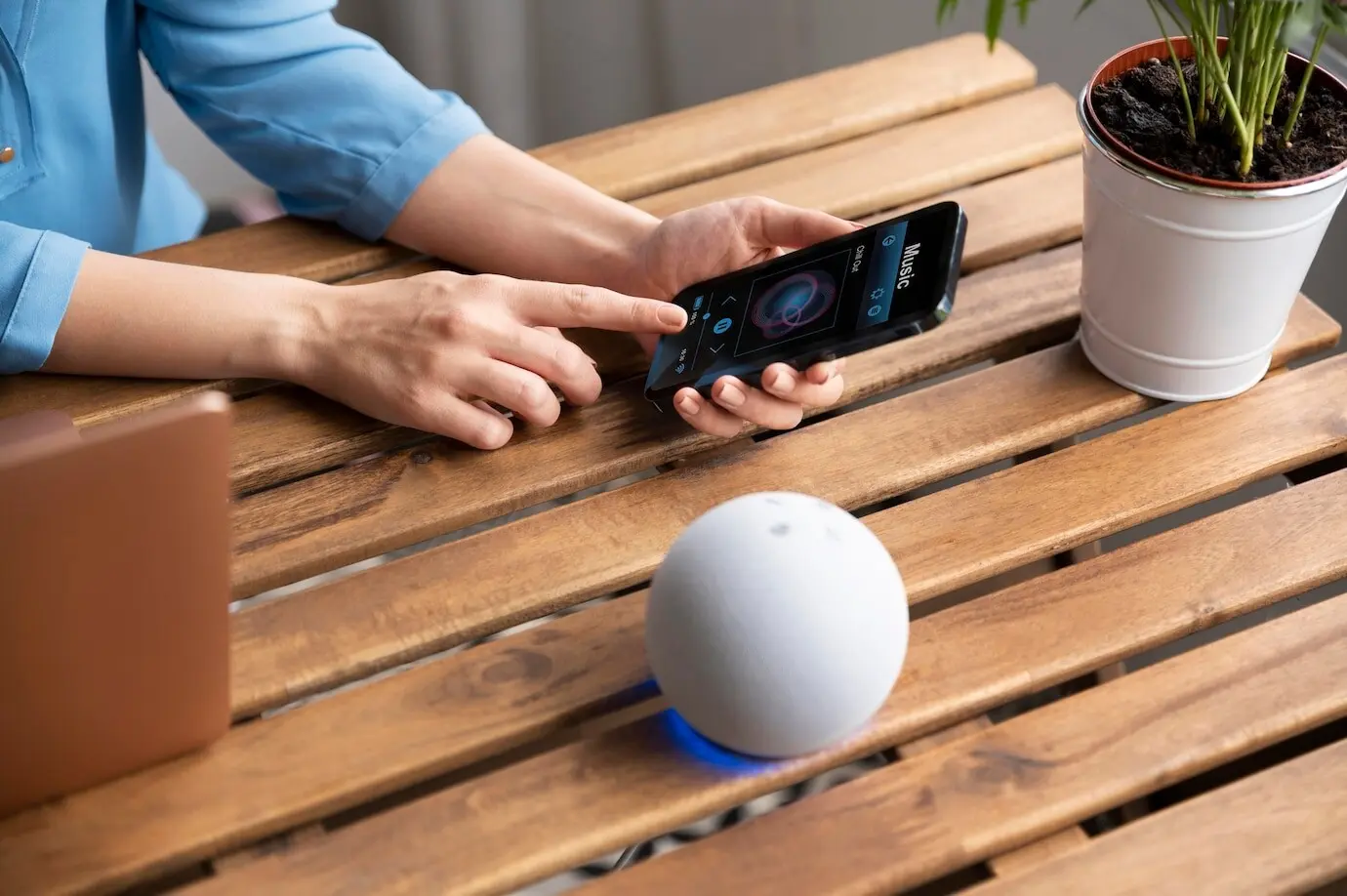
Interoperability shines when everyone at home feels comfortable. Favor obvious controls, scenes with clear names, and automations that explain themselves. Offer wall switches for key actions and use gentle notifications. Invite feedback and keep iterating. Share results with community forums, learn from others’ setups, and contribute bug reports or documentation. Open standards become more valuable as more voices shape them, including yours.
Fapuvulefafufatafukevi
Privacy Overview

This website uses cookies so that we can provide you with the best user experience possible. Cookie information is stored in your browser and performs functions such as recognising you when you return to our website and helping our team to understand which sections of the website you find most interesting and useful.