
Whisper-Powered Living: Private Voice Control That Stays at Home
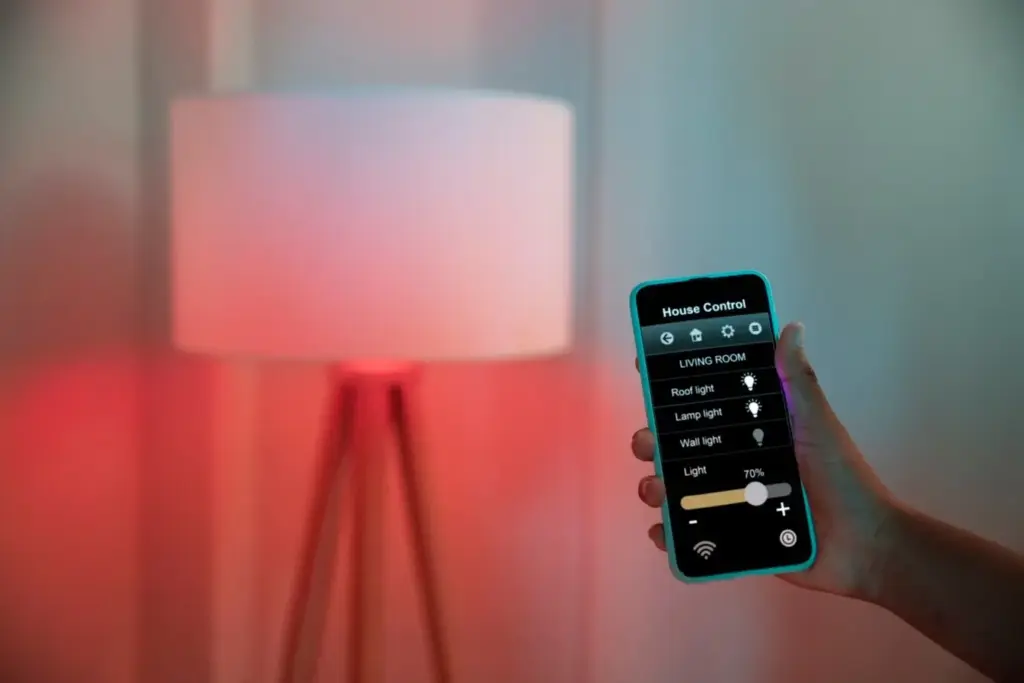
Why Local Processing Changes Everything
Building the Voice Pipeline at the Edge
Wake Word and VAD
Speech-to-Text on Modest Hardware
Understanding Intent Without the Cloud
Choosing the Brain
Hearing You Clearly
Taming Echoes and Noise

Privacy, Security, and Governance
Integrations and Automations That Shine
Testing, Metrics, and Continuous Improvement
Metrics That Matter
Define clear thresholds for acceptable response times and understanding, then test under load while music plays, washing machines rattle, and children volley rapid requests. Segment results by microphone location and accent. When failures happen, prefer interpretable diagnostics over hand-waving graphs that hide root causes behind pretty colors.
Household Trials
Pilot with willing families before broad release. Encourage feedback about phrasing, confirmations, and edge cases, and make it simple to submit logs without sharing recordings. Iterate quickly, then circle back with improvements and gratitude, turning testers into advocates who understand both capabilities and boundaries intimately.
Improving Without Hoarding Data
Use synthetic corpora, open datasets, and opt‑in, anonymized snippets when truly necessary, but default to zero exfiltration. Emphasize model inspection, targeted prompts, and unit tests for intents. Progress becomes steady, ethical, and controllable when you resist the urge to collect everything just because storage seems cheap.
Getting Started Today
A Starter Kit You Can Trust
Begin with a small single-board computer, a USB mic array, and open-source components. Follow step-by-step guides to configure wake words, local ASR, and intents, then unplug the internet and confirm everything still works. Post results, questions, and insights so others benefit from your journey.
Your Voice, Your Rules
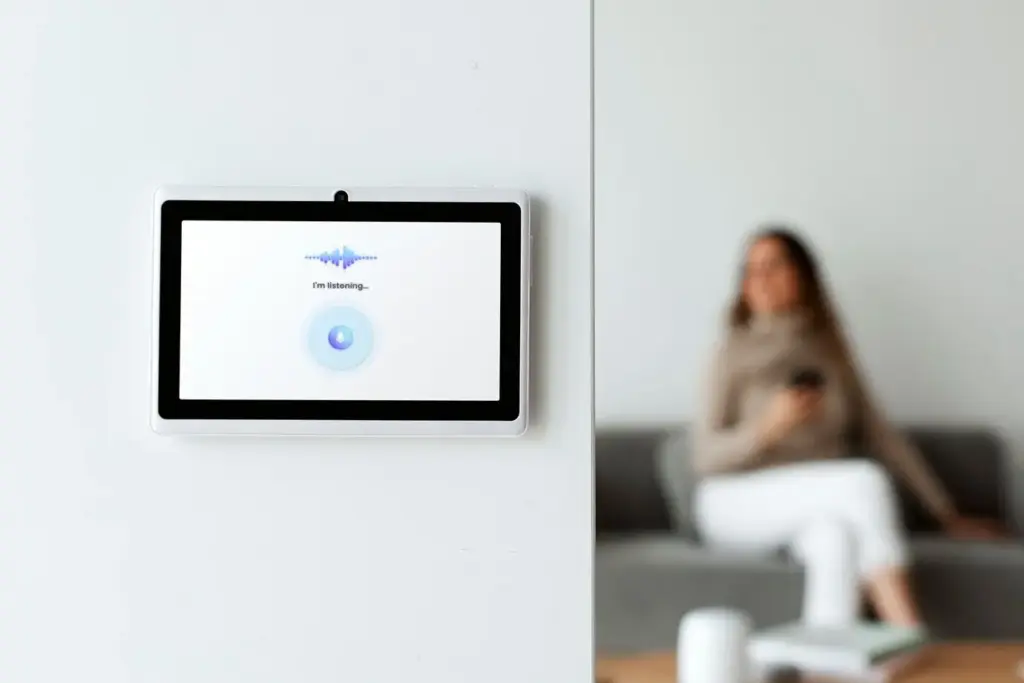
Create simple governance: who can unlock doors, when microphones sleep, and which rooms respond after bedtime. Add quick toggles on a wall tablet and physical mutes. Share your policy templates with the community, and compare approaches that balance convenience, safety, and the dignity of private spaces.
Join the Conversation
We publish new experiments, configuration snippets, and real-world stories from households that chose to keep their data at home. Comment with questions, subscribe for updates, or volunteer a challenge scenario. Together we can refine patterns that respect privacy while making every room feel more responsive and human.
All Rights Reserved.